

A tooth can be knocked out in seconds after a fall, sports injury, accident, or unexpected impact. When it happens at home, the first reaction is often panic—but the steps you take immediately afterward matter. If a permanent tooth has been completely knocked out, keep it moist, handle it carefully, and seek dental care as quickly as possible.
For patients in Morrilton, AR, knowing how to respond before reaching a dental office can make an already stressful situation easier to manage. Local emergency dental care can help evaluate the injury, determine whether the tooth may be saved, and check for damage to nearby teeth or oral tissues.
What Should You Do Immediately After a Tooth Is Knocked Out?
If a permanent tooth is knocked out, find it, pick it up by the crown, keep it moist, and seek dental care immediately.
Avoid touching the root because the tissues on its surface can be damaged by unnecessary handling. If the tooth is dirty, gently rinse it with water. Do not scrub it, scrape it, or use soap or chemicals.
Follow These Steps
- Find the tooth as quickly as possible.
- Hold it by the crown, which is the visible chewing portion.
- Gently rinse it with water if it is dirty.
- If possible, place it back into the socket carefully.
- If you cannot replace it, keep it moist in milk or an appropriate tooth-preservation solution.
- Contact a dentist and seek treatment immediately.
The American Association of Endodontists recommends seeing a dentist or endodontist ideally within about 30 minutes because faster treatment can improve the chance of saving a knocked-out permanent tooth.
Can You Put a Knocked-Out Tooth Back in the Socket?
A knocked-out permanent tooth may sometimes be placed back into its socket before reaching the dentist.
If you can do this easily, hold the tooth by the crown and gently reposition it. Do not force it into place. If you are uncomfortable doing this or cannot get the tooth back into the socket, keep it moist and bring it with you to the dental office.
This advice applies to permanent teeth. Baby teeth should generally not be replanted because doing so can potentially harm the developing permanent tooth underneath.
How Should You Store a Knocked-Out Tooth?
If the tooth cannot be placed back into the socket, keeping it moist is essential.
The ADA recommends options such as:
- Milk
- Inside the cheek, when this can be done safely
- A tooth-preservation product
- The socket, if the tooth can be safely repositioned
Avoid allowing the tooth to dry out. Also, do not wrap it in a tissue or cloth, and do not leave it sitting in regular tap water for an extended period.
How Quickly Should You See a Dentist?
You should seek dental care immediately after a permanent tooth is knocked out.
This is not an injury that should be monitored at home for a day or two. The longer a tooth remains outside the mouth, particularly when it is dry, the more difficult it can become to preserve the tissues around the root.
Even if more than 30 minutes have passed, do not assume the tooth cannot be saved. The AAE notes that treatment may still be possible when a tooth has been outside the mouth for longer.
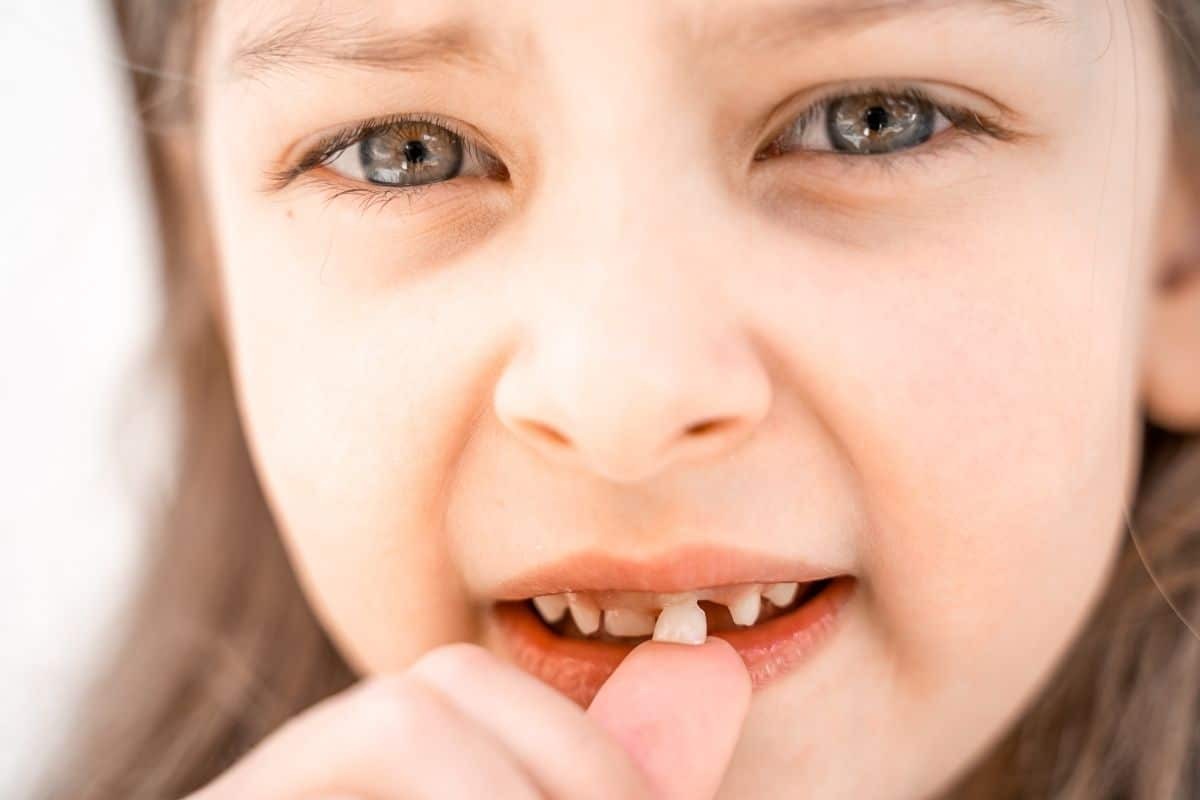
What If a Baby Tooth Gets Knocked Out?
A knocked-out baby tooth should be handled differently from a permanent tooth.
Do not try to push a baby tooth back into the socket. Instead, contact a dentist promptly so the child’s mouth can be examined. The dentist can determine whether the tooth was completely lost and whether the surrounding gums, jaw, or developing permanent tooth may have been affected.
Parents should also watch for bleeding, swelling, significant pain, or additional injuries after the accident.
What Happens When You Reach the Dentist?
The dental team will first examine the injured area and check the knocked-out tooth. Nearby teeth and surrounding tissues may also need to be evaluated because trauma can affect more than the tooth that appears damaged.
For a permanent tooth, treatment may involve:
- Repositioning the tooth in its socket
- Stabilizing it while the tissues heal
- Checking the surrounding teeth and bone
- Planning follow-up examinations
- Providing additional treatment if the tooth’s internal tissues are damaged
A tooth that has been replanted may need continued monitoring because complications can develop later after dental trauma.
When Should You Go to the Emergency Room?
A knocked-out tooth usually requires urgent dental care, but a serious accident can involve other injuries that need medical attention.
Go to an emergency room or seek immediate medical help if there is:
- Heavy or uncontrolled bleeding
- Loss of consciousness
- Difficulty breathing
- A suspected jaw fracture
- Severe facial trauma
- Signs of a serious head injury
- Confusion or unusual behavior
The ADA recommends emergency medical care for life-threatening situations rather than relying only on dental treatment.
How Can You Prevent a Knocked-Out Tooth?
Not every dental injury can be prevented, but simple precautions can lower the risk.
Wear a Mouthguard
A properly fitted mouthguard can help protect teeth during sports and recreational activities where facial impacts are possible.
Do Not Use Teeth as Tools
Avoid using your teeth to open packages, tear materials, or bite objects that are not meant to be chewed.
Protect Children During Active Play
Falls and collisions are common causes of dental injuries in children. Appropriate protective equipment and supervision can help reduce the risk.
Getting Help After a Dental Injury in Morrilton
If a permanent tooth has been knocked out, do not wait to see whether the situation improves on its own. Keep the tooth moist, handle it carefully, and seek professional care as quickly as possible.
For patients in Morrilton and nearby communities, prompt access to emergency dental care can make it easier to have the injury evaluated without unnecessary delay. Dixon Family Dental provides emergency dental care in Morrilton for urgent dental concerns.
If you are dealing with a knocked-out tooth or another dental injury, call (501) 358-5844 for guidance on the next step.
Conclusion
Knowing what to do after a tooth gets knocked out can help you respond quickly instead of losing valuable time. For a permanent tooth, handle it by the crown, keep it moist, avoid touching the root, and seek dental care immediately.
Whether the injury happens at home, during sports, or somewhere else, a prompt dental evaluation can determine whether the natural tooth can be saved and whether other parts of the mouth were injured.
Frequently Asked Questions
Can a knocked-out permanent tooth be saved?
Sometimes. A dentist may be able to reposition and stabilize a knocked-out permanent tooth, particularly when treatment is received quickly. The condition of the tooth and how it was stored also affect the outcome.
How long can a knocked-out tooth stay out?
There is no recommended period to wait. The AAE advises seeking dental treatment ideally within 30 minutes, although treatment may still be possible after a longer period.
Should I put a knocked-out tooth in water?
Water is not the preferred storage option for a knocked-out permanent tooth. If it cannot be placed back into the socket, milk or a tooth-preservation product is generally preferred for keeping it moist.
Can I put a knocked-out baby tooth back?
No. A knocked-out baby tooth generally should not be replanted because of the potential risk to the developing permanent tooth. Contact a dentist so the child’s mouth can be evaluated.
What if I cannot find the knocked-out tooth?
You should still seek dental evaluation, especially after a significant facial injury. The tooth may have been pushed into the gum or another injury may have occurred, so an examination can help determine what happened.